The Ultimate Guide To Intercropping Tomatoes With
The Ultimate Guide to Intercropping Tomatoes with
Tomatoes are a delicious and versatile vegetable that can be enjoyed in many different ways. But did you know that you can also improve the growth and productivity of your tomato plants by intercropping them with other plants?
Intercropping is the practice of planting two or more different crops together in the same space. This can be done for a variety of reasons, such as to improve soil health, attract beneficial insects, or deter pests.
When it comes to intercropping tomatoes, there are a few things you need to keep in mind. First, you need to choose companion plants that will not compete with your tomatoes for water, nutrients, or sunlight. Second, you need to consider the timing of your crops. Some companion plants, such as marigolds, will attract beneficial insects that will help to control pests. However, these plants will only be effective if they are planted early enough in the season.
With a little planning, you can intercrop tomatoes with a variety of other plants to create a productive and healthy garden. Here are a few of the best companion plants for tomatoes:
- Basil: Basil is a classic companion plant for tomatoes. It helps to deter pests, improve pollination, and enhance the flavor of tomatoes.
- Marigolds: Marigolds attract beneficial insects, such as ladybugs and lacewings, which help to control pests. They also help to suppress soil-borne diseases.

- Chives: Chives repel aphids, nematodes, and mites. They also help to improve the flavor of tomatoes.
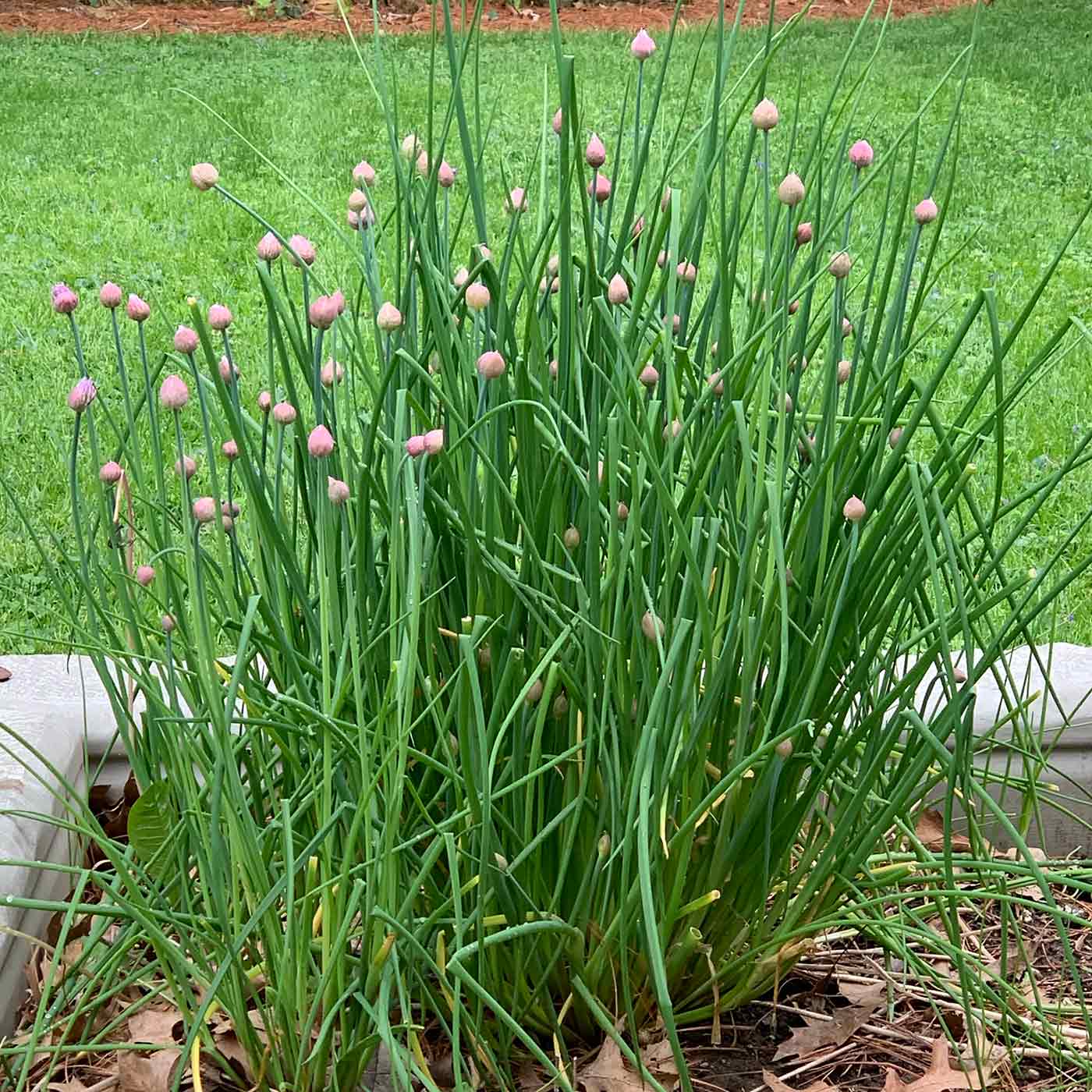
- Onions: Onions repel root-knot nematodes, which can damage tomato roots. They also help to improve the flavor of tomatoes.

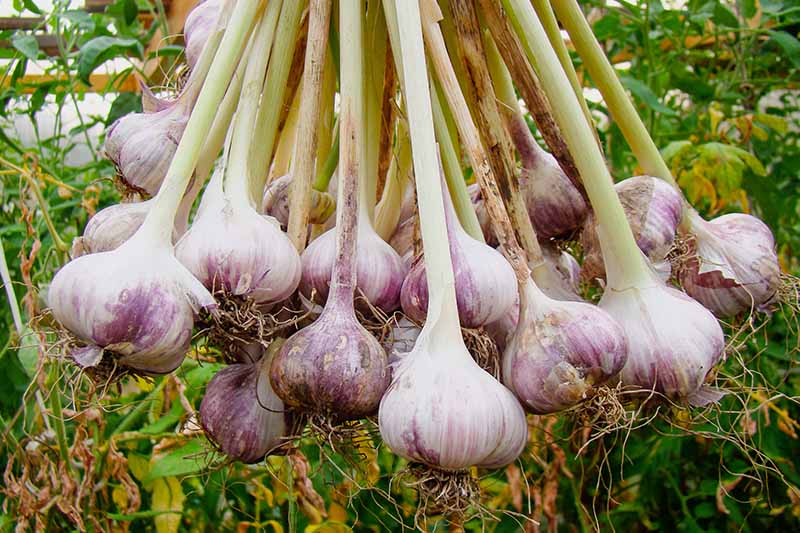
- Garlic: Garlic repels spider mites and other pests. It also helps to protect tomatoes from blight.
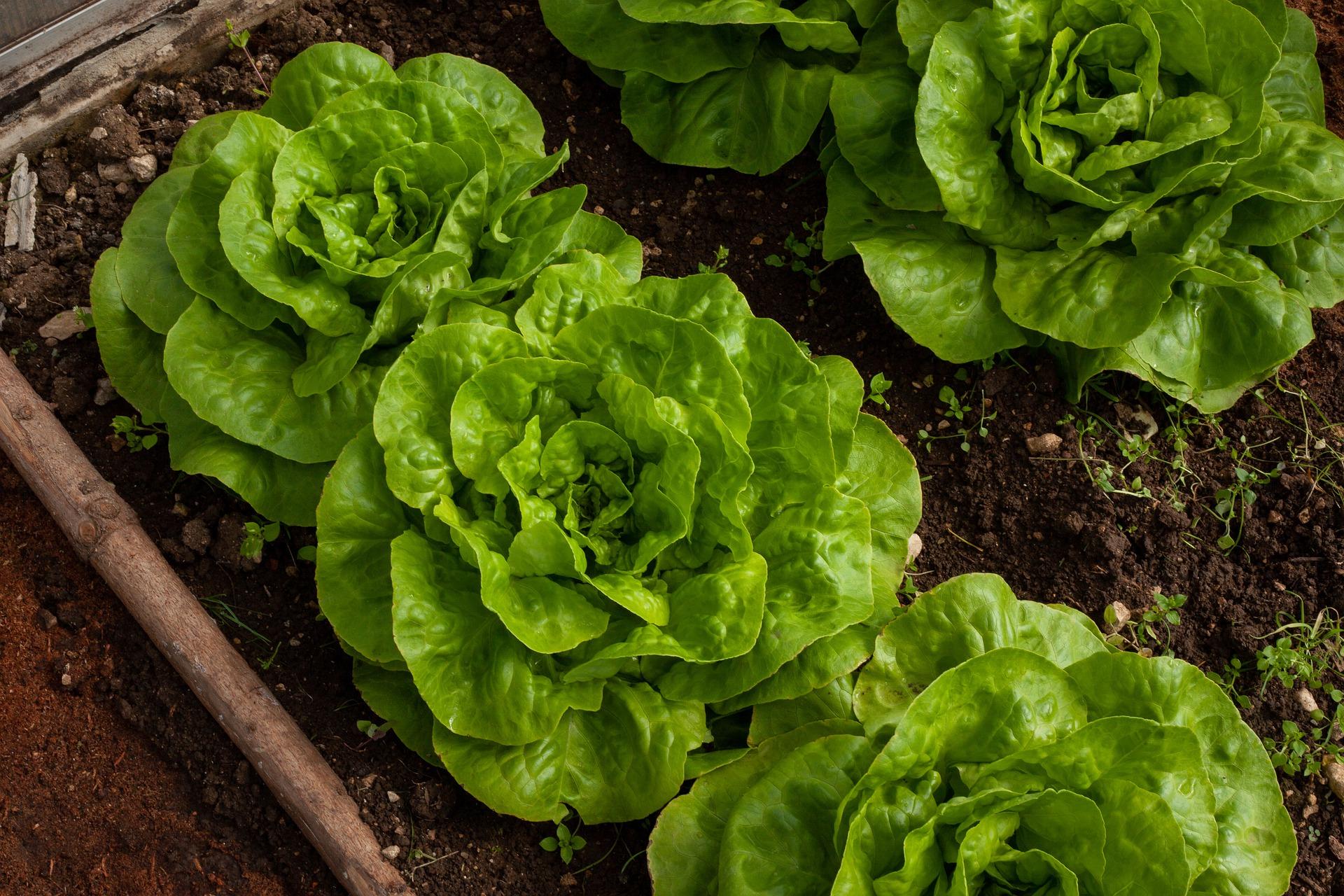
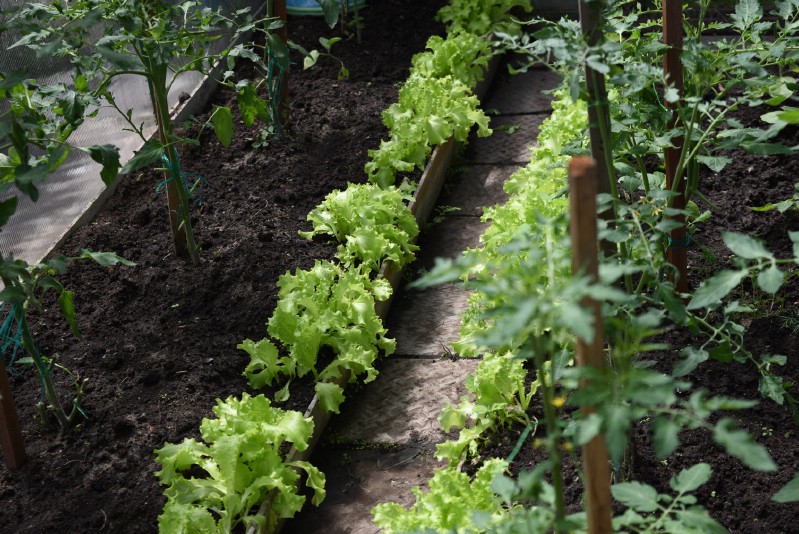
- Lettuce: Lettuce is a fast-growing crop that can be planted between rows of tomatoes. It helps to suppress weeds and improve the flavor of tomatoes.
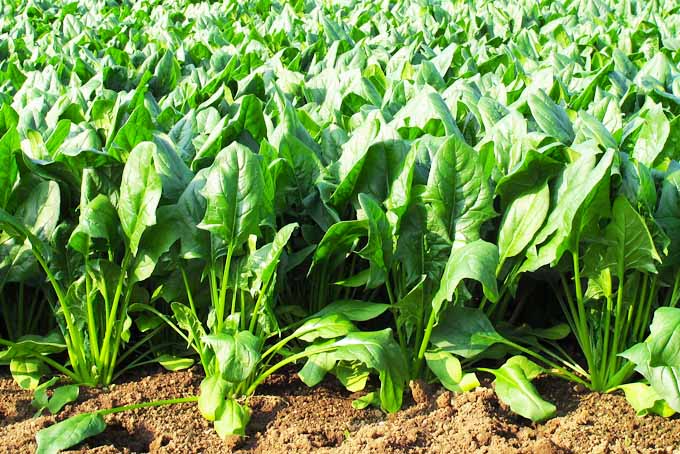
- Spinach: Spinach is another fast-growing crop that can be planted between rows of tomatoes. It helps to suppress weeds and improve the drainage of the soil.
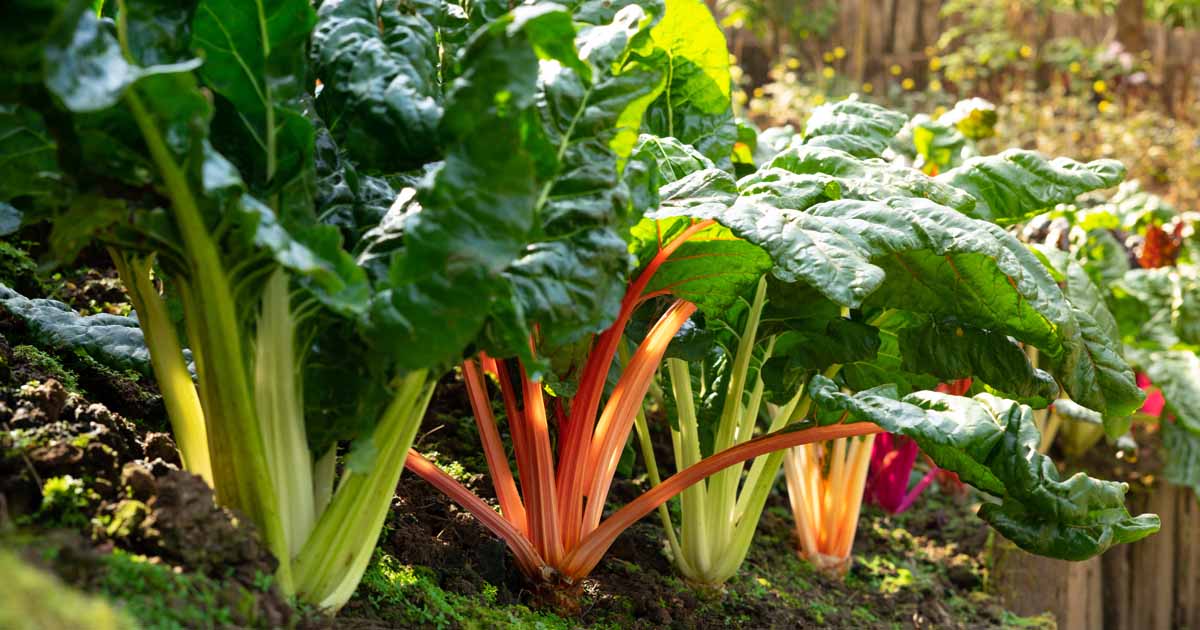
- Swiss chard: Swiss chard is a tall, leafy vegetable that can be planted behind tomatoes. It helps to provide shade for the tomatoes and improve the drainage of the soil.
These are just a few of the many companion plants that you can intercrop with tomatoes. By doing a little research, you can find the perfect companion plants for your garden and improve the growth and productivity of your tomato plants.
Are you looking for ways to improve your tomato harvest? If so, you may want to consider intercropping. Intercropping is the practice of planting two or more different crops in the same space. This can help to improve the overall health and productivity of your garden.
There are many different plants that can be intercropped with tomatoes. Some good options include:
- Basil: Basil is a classic companion plant for tomatoes. It helps to deter pests and attract beneficial insects.
- Marigolds: Marigolds help to repel nematodes, which can be a problem for tomatoes. They also attract pollinators.
- Nasturtiums: Nasturtiums help to deter aphids and other pests. They also add a splash of color to your garden.
- Lettuce: Lettuce is a low-growing crop that can be planted under tomatoes. It helps to suppress weeds and provides shade for the tomatoes' roots.
- Radishes: Radishes are a quick-growing crop that can be planted between tomatoes. They help to break up the soil and improve drainage.
If you're interested in learning more about intercropping with tomatoes, I recommend visiting Gardenia Inspiration. This website has a wealth of information on the topic, including a list of compatible plants, planting tips, and troubleshooting advice.
FAQ of plants to intercrop with tomatoes
Question 1: What are the benefits of intercropping tomatoes with other plants?
Answer: There are many benefits to intercropping tomatoes with other plants. Some of the most common benefits include:
- Increased yields: Intercropping can help to increase yields by providing a more diverse habitat for beneficial insects and pollinators. These insects and pollinators can help to control pests and diseases, which can lead to healthier plants and higher yields.
- Improved soil health: Intercropping can help to improve soil health by providing a more balanced nutrient profile. Some plants, such as legumes, can fix nitrogen in the soil, which can help to improve the fertility of the soil for all of the plants in the intercrop.
- Reduced pest and disease pressure: Intercropping can help to reduce pest and disease pressure by providing a physical barrier between susceptible plants and pests. For example, planting tomatoes with basil can help to deter tomato hornworms.
- Extended harvest season: Intercropping can help to extend the harvest season by providing a succession of crops. For example, you could plant lettuce and spinach early in the season, and then plant tomatoes later in the season.
Question 2: What are some good plants to intercrop with tomatoes?
Answer: Some good plants to intercrop with tomatoes include:
- Basil: Basil is a classic companion plant for tomatoes. It helps to deter tomato hornworms and other pests, and it also enhances the flavor of tomatoes.
- Herbs: Other herbs that are good to intercrop with tomatoes include parsley, chives, and oregano. These herbs can help to deter pests and diseases, and they can also add flavor to tomatoes.
- Lettuce: Lettuce is a cool-season crop that can be planted early in the season with tomatoes. It provides shade for the tomatoes, and it can also be harvested before the tomatoes get too large.
- Spinach: Spinach is another cool-season crop that can be planted with tomatoes. It is a good source of nutrients, and it can also help to suppress weeds.
- Carrots: Carrots are a root crop that can be planted with tomatoes. They do not compete for the same resources, and they can help to improve the soil health.
Question 3: How far apart should I plant tomatoes and other plants when intercropping?
Answer: The distance between tomatoes and other plants when intercropping will depend on the specific plants that you are planting. However, as a general rule, you should plant tomatoes at least 2 feet apart, and you should plant other plants at least 1 foot apart. This will give the plants enough space to grow and thrive.
Question 4: What are some common mistakes to avoid when intercropping tomatoes with other plants?
Answer: Some common mistakes to avoid when intercropping tomatoes with other plants include:
- Planting too many plants: If you plant too many plants, they will compete for resources and may not thrive.
- Planting the wrong plants together: Some plants do not get along well together, so it is important to do your research before planting.
- Not watering enough: Intercropped plants need to be watered regularly, especially during hot weather.
- Not fertilizing enough: Intercropped plants need to be fertilized regularly, especially during the growing season.
Question 5: Where can I find more information about intercropping tomatoes with other plants?
Answer: There are many resources available online and in libraries that can provide you with more information about intercropping tomatoes with other plants. Some good resources include:
- The Vegetable Gardener's Bible by Edward C. Smith
- The New Organic Grower by Eliot Coleman
- The Gardener's Companion by Barbara Damrosch
- The Vegetable Garden Primer by Mel Bartholomew
- The Intercropping Handbook by Eliot Coleman and William Damrosch
Image of plants to intercrop with tomatoes
- Basil: Basil is a classic companion plant for tomatoes, as it helps to deter pests and attract beneficial insects. It also has a delicious flavor that pairs well with tomatoes.

- Lettuce: Lettuce is another good choice for intercropping with tomatoes, as it doesn't require a lot of space and can be harvested early in the season. Lettuce also helps to suppress weeds.
- Spinach: Spinach is a cool-season crop that can be planted in early spring or fall. It's a good source of vitamins and minerals, and it can help to improve the soil quality.
- Garlic: Garlic is a strong-flavored herb that can help to repel pests. It also has a long growing season, so it can be planted in the same bed as tomatoes for several years.

- Carrots: Carrots are a root vegetable that can be planted in the same bed as tomatoes. They don't require a lot of space, and they can help to improve the drainage of the soil.
Post a Comment for "The Ultimate Guide To Intercropping Tomatoes With"