Pine Fines: The Secret To A Healthy Garden
Pine Fines: The Secret to a Healthy Garden
Pine fines are a type of organic matter that is made from the ground-up needles and cones of pine trees. They are a valuable addition to any garden, as they can improve soil health, reduce pests and diseases, and attract beneficial insects.
In this blog post, we will discuss the benefits of using pine fines in your garden, how to apply them, and where to find them.
Benefits of Pine Fines
Pine fines offer a number of benefits for gardens, including:
- Improved soil health: Pine fines are a source of organic matter, which helps to improve soil structure and drainage. This makes it easier for plants to take up water and nutrients.
- Reduced pests and diseases: The natural oils in pine fines can help to repel pests and diseases. This can help to keep your plants healthy and free from problems.
- Attract beneficial insects: Pine fines also attract beneficial insects, such as ladybugs and lacewings. These insects help to control pests, which can further improve the health of your garden.
- Increased yields: Studies have shown that pine fines can increase crop yields by up to 20%. This is because pine fines help to improve soil fertility and water retention.
How to Apply Pine Fines
Pine fines can be applied to gardens in a number of ways, including:
- Broadcasting: This is the simplest method. Simply spread the pine fines evenly over the surface of the soil.
- Incorporated: Pine fines can also be incorporated into the soil. This can be done by tilling or digging the pine fines into the soil.
- Mulching: Pine fines can also be used as a mulch. This will help to suppress weeds and retain moisture.
Where to Find Pine Fines
Pine fines can be found at a number of places, including:
- Nurseries: Many nurseries sell pine fines.
- Pine tree growers: If you know someone who grows pine trees, they may be able to give you some pine fines for free.
- Online retailers: There are a number of online retailers that sell pine fines.
Conclusion
Pine fines are a valuable addition to any garden. They offer a number of benefits, including improved soil health, reduced pests and diseases, and increased yields. If you are looking for a way to improve the health of your garden, pine fines are a great option.
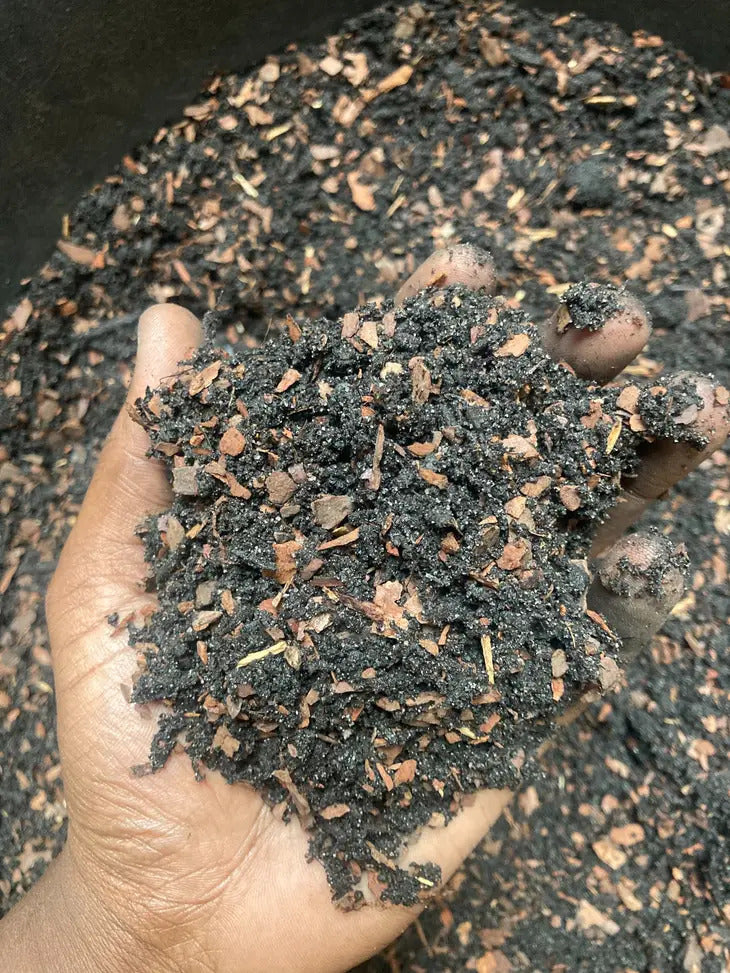
Pine fines are a type of soil amendment that is made from the very small pieces of pine bark that are removed during the screening process of aged pine bark nuggets. They are a dark brown color and have a slightly acidic pH. Pine fines are often used as a soil conditioner to improve drainage and aeration, and to add organic matter to the soil. They can also be used as a fine mulch to suppress weeds and retain moisture.
If you are interested in learning more about pine fines, I recommend visiting the website Garden Wiki. This website has a wealth of information about pine fines, including their benefits, how to use them, and where to buy them.
FAQ of pine fines
Question 1: What are pine fines?
Answer: Pine fines are the very small pieces of pine bark that are removed during the screening process of aged pine bark nuggets. They are a dark brown or black color and have a slightly acidic pH. Pine fines are often used as a soil amendment, mulch, or topdressing.
Question 2: What are the benefits of using pine fines?
Answer: Pine fines offer a number of benefits for plants, including:
- Improving drainage and aeration
- Increasing water retention
- Reducing soil compaction
- Adding organic matter
- Adjusting soil pH
- Repelling pests and diseases
Question 3: How do I use pine fines?
Answer: Pine fines can be used in a variety of ways, including:
- Mixing them into the soil at planting time
- Spreading them as a mulch around plants
- Using them as a topdressing to improve the appearance of beds and borders
- Adding them to potting mix to improve drainage and aeration
Question 4: What are the drawbacks of using pine fines?
Answer: Pine fines have a few drawbacks, including:
- They can be acidic, so they may not be suitable for all plants
- They can be dusty, so they should be handled carefully
- They can attract pests and diseases, so they should be used in moderation
Question 5: Where can I buy pine fines?
Answer: Pine fines are available at most garden centers and online retailers.
Image of pine fines
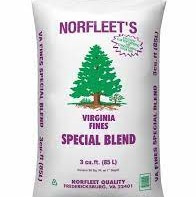
- Pine fines for making incense: This image shows a bag of pine fines that are being used to make incense. The fines are a light brown color and have a slightly grainy texture.

- Pine fines for soil amendment: This image shows a pile of pine fines that are being used to amend soil. The fines are a dark brown color and have a slightly crumbly texture.
- Pine fines for mulch: This image shows a layer of pine fines that are being used as mulch around a tree. The fines are a light brown color and have a slightly coarse texture.

- Pine fines for fire starter: This image shows a pile of pine fines that are being used as a fire starter. The fines are a light brown color and have a slightly dry texture.
- Pine fines for bird bedding: This image shows a layer of pine fines that are being used as bird bedding in a birdhouse. The fines are a light brown color and have a slightly soft texture.


Post a Comment for "Pine Fines: The Secret To A Healthy Garden"